
Simulated Soccer is a sportsbook product category where football matches are generated by computer models rather than played by real teams in real time. Results are produced through an algorithmic process that simulates match events such as goals, cards, and corners, then settles markets using the generated outcomes. These events are often offered on frequent schedules with short match durations, making the product distinct from traditional soccer betting in both pacing and information availability.
Because Simulated Soccer is driven by modeling rather than live competition, the most important evaluation factors are rules transparency, market scope, and settlement definitions. The product is typically supported by a results feed that records final scores and match statistics used for grading. Understanding the common formats, the types of markets offered, and how outcomes are verified helps clarify what Simulated Soccer is and how it differs operationally from real-world football wagering. Follow alo789 now and be the first to know about new content!
What Simulated Soccer Is And How It Differs From Live Soccer
Traditional soccer betting is based on real fixtures, with outcomes influenced by team quality, tactics, injuries, and live conditions. Simulated Soccer replaces those inputs with a controlled model that generates match events. Teams may be fictional or may use generic names, and the match is typically represented through an animation or an event timeline rather than through a live broadcast.
The key practical difference is that Simulated Soccer does not use real-time external information such as lineup announcements or weather changes. Instead, probabilities are embedded in the simulation model and are expressed through pre-match pricing. Some products claim to simulate style differences between teams, while others use relatively uniform team parameters. In either case, the match outcome is produced within the model, and the sportsbook settles markets based on the generated final result and associated stats.
Because events are produced rapidly, Simulated Soccer often functions more like a continuous betting feed than a traditional league schedule. This makes clarity around event labeling, match duration, and settlement timing essential.
Match Duration Period Structure And Time Compression
Simulated Soccer commonly uses compressed match times. A “90-minute” match may be completed in a few minutes, with the system representing halves, stoppage time, and match progression through an accelerated clock. The product may display a first half and second half structure, but each period is typically shorter than real-world duration.
Some versions also include a simplified timeline where events are triggered at labeled minutes (for example, a goal at the 63rd minute) even though the match is completed quickly. This timeline is used for market settlement, especially for markets tied to halves or specific time bands. The exact representation varies by provider, but a consistent rule is that the generated match clock and events log define settlement, not real time.
Overtime is not typically used in standard Simulated Soccer markets unless the product explicitly offers cup-style formats with extra time and penalties. Most events are settled as regulation matches with a final score at the end of the modeled time window.
How Outcomes Are Generated In Simulation Models
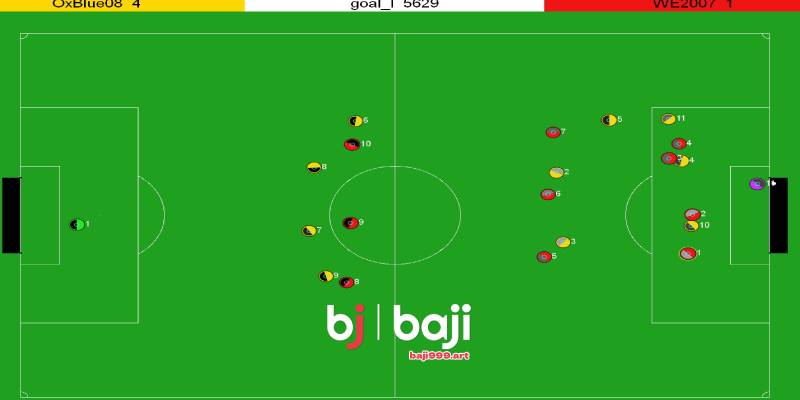
Simulated Soccer outcomes are generated by algorithms that model event probabilities. These models can include goal expectancy parameters, event frequency rates, and variance controls that determine how often upsets occur and how tightly scores cluster around common totals. The goal distribution often resembles the low-scoring nature of real soccer, with many matches finishing with two to three total goals, but the exact distribution depends on the product’s calibration.
In many systems, the simulation produces an event sequence that includes goals and may also include secondary stats such as corners, shots, and cards. These additional stats enable a wider market menu but also create greater dependence on data feed integrity. The sportsbook must use a consistent feed for settlement so that markets grade correctly and reproducibly.
Transparency is strongest when the product clearly identifies the provider or engine used to generate matches, explains whether teams have distinct parameters, and provides access to an event log or match report that can be reviewed after settlement.
Common Simulated Soccer Betting Markets
The market menu for Simulated Soccer often mirrors traditional soccer markets, but with simplified scope and faster settlement. The most common offerings focus on the final result and total goals.
| Market Type | What It Measures | Typical Settlement Basis |
| 1X2 Match Result | Home win, draw, or away win | Final score at end of regulation |
| Double Chance | Two outcomes combined (1X, 12, X2) | Final score outcome category |
| Totals Over Under | Combined goals above or below a line | Final goals, usually including stoppage |
| Both Teams To Score | Whether both teams score at least one goal | Final score goal presence |
| Correct Score | Exact final scoreline | Strict final score match |
| Half Time Full Time | Result at half and full time | Modeled half-time and full-time results |
Additional markets may include team totals, handicaps, or stat-based options such as corners and cards if the simulation feed provides these metrics. When stat markets are offered, the settlement source must be clear, as there is no external league data to reference. The simulation report functions as the official record for grading.
In Play Betting And Event Timing

Some Simulated Soccer products offer live or in-play betting during the accelerated match. In-play markets update based on the simulated clock and event state. Because match time is compressed, in-play windows may be short, and price changes can be rapid after goals or red-card events in the simulation.
In-play dynamics are typically driven by:
- Current scoreline and remaining simulated time
- Goal timing relative to the match clock
- Modeled momentum signals such as increased event rates late
- Market suspension rules around goal events and restarts
Market suspension is common to prevent betting during an unresolved event. In Simulated Soccer, suspension timing may be automated and can occur frequently because events resolve quickly. This makes scope clarity important, particularly for markets such as next goal, total goals, or half-time totals.
Settlement Verification And Dispute Prevention
Settlement in Simulated Soccer relies on the provider’s match report and the sportsbook’s recorded results feed. A typical implementation provides a final scoreboard and a timeline of goals, with additional statistics included if relevant markets are offered. Because there is no external authority such as a league, the provider feed acts as the official record.
To reduce disputes, transparent Simulated Soccer products provide:
- A match ID and timestamp for each event
- A final score display that persists after settlement
- An event log showing goals and other graded stats
- Clear definitions for half-time and full-time cutoffs
- Rules for interruptions or system failures
Special cases can include abandoned simulations due to technical issues. House rules typically define whether bets are voided, resettled, or graded based on the last confirmed state. Because the schedule is often continuous, a clear refund and resettlement policy is essential to maintain consistency.
Volatility And Responsible Participation Considerations
Simulated Soccer can create a distinct risk profile because matches are frequent and resolve quickly. This can increase the number of wagering decisions made in a short period. Even when markets mirror traditional soccer, the compressed pacing can magnify short-term variance and make budgeting discipline more important.
Responsible participation is supported by applying structured limits. Deposit limits, time reminders, cooling-off periods, and self-exclusion tools can help manage exposure in a high-frequency environment. Stake sizing and preselected session duration are also practical controls, particularly for in-play markets where rapid repricing can encourage repeated action.
Because simulated outcomes are model-generated and independent across events, perceived streaks should not be treated as predictive. A reliable approach focuses on understanding market scope and settlement definitions rather than attempting to interpret recent results as signals.
Simulated Soccer Coverage And Access Within baji999
Simulated Soccer can be presented most effectively when each event includes clear match labeling, visible start times, and an accessible results report that functions as the official settlement source. Within baji999, Simulated Soccer is supported as a structured and transparent category when markets are grouped consistently into 1X2, totals, handicaps, and stat options, with clear cutoffs for half-time and full-time settlement. This presentation highlights the product’s core appeal: frequent, fast-settling soccer-style markets backed by defined simulation rules, verifiable match logs, and readable settlement outcomes.
Alo789
Website: https://alo7891.com/
Địa chỉ: 43 Đường D5, Phường 25, Bình Thạnh, Hồ Chí Minh
SĐT: 0913166263
Email: [email protected]